Insurance Documentation Support in Syracuse, NY
Insurance documentation support for Syracuse, NY commercial roof damage claims - factual photo records and condition notes, not claims advocacy.
A Factual Record of Roof Damage, Built for a Claim File
When a storm damages a commercial roof, the claim process runs on documentation. We provide that documentation as a contractor would - condition, photos, and repair notes - without stepping into the role of adjuster or advocate.
What We Document and Why It Matters
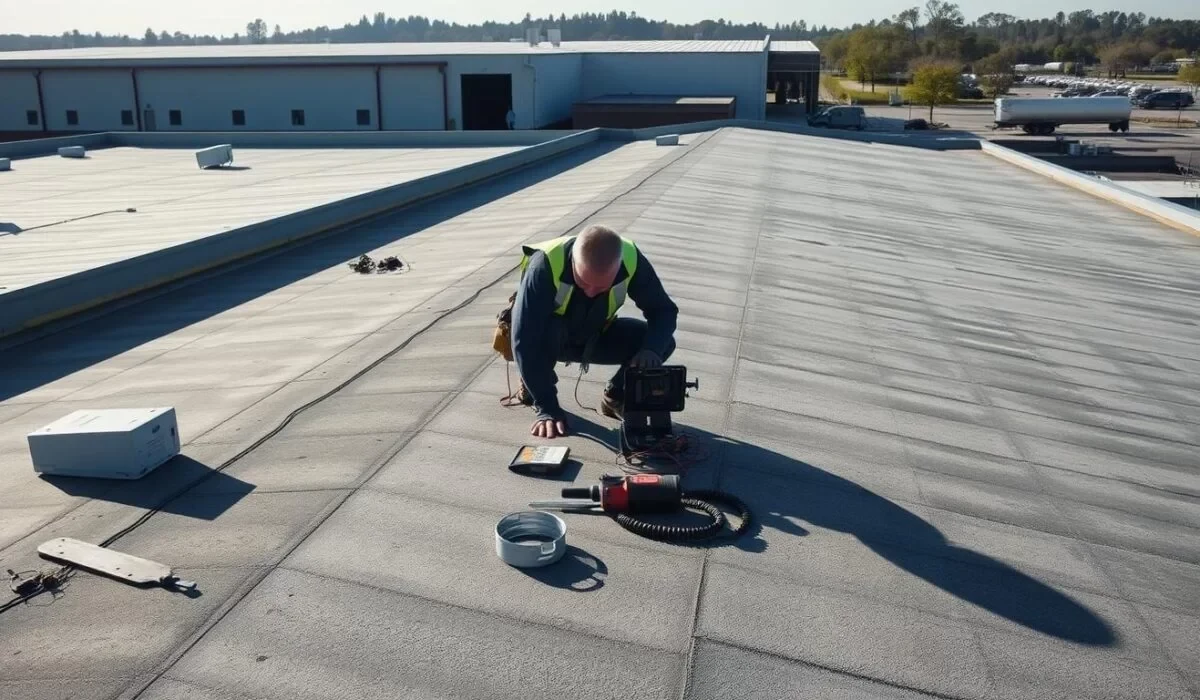
Every storm damage visit gets photographed methodically: the affected area from multiple angles, close-up shots of the specific failure point, and wider context shots showing where that damage sits relative to the rest of the roof. We note the date of the visit, the conditions we observed, and any temporary protection installed, since a claim reviewer needs to see not simply what's damaged but when it was documented relative to the storm event.
Where damage pattern is relevant - hail impact marks, wind-lifted seams, ice-dam backup - we describe what we're seeing in plain terms tied to what's physically visible, not in language built to argue a cause. A photo of a cracked pitch pan and a note describing exactly where and how it's cracked is more useful to a claim than a broad assertion about what caused it.
What This Service Is Not
We don't negotiate with carriers, write public-adjuster-style claim narratives, or promise a particular claim outcome. That's not a service we offer, and any contractor telling a building owner otherwise is setting expectations we don't think are honest. What we provide is a contractor's factual record - the kind of documentation an owner, property manager, or their own adjuster or public adjuster can use as part of building the claim itself.
Timing Documentation Close to the Storm Event
A dated record close to the actual storm matters more than most owners realize until they need it. We recommend a documentation visit as soon as it's safe to get on the roof after a significant wind, hail, or heavy snow-load event, even if there's no visible interior leak yet. Damage that doesn't show up as a leak for weeks or months is much easier to tie to a specific storm date if there's already a dated photo record from right after the event.
Working Alongside Emergency Repair
Documentation and emergency dry-in happen together, not in sequence. If a roof needs an emergency tarp to stop active water intrusion, we photograph the damage before and after the temporary protection goes up, so the claim record shows both the original condition and the mitigation steps taken. Carriers generally expect to see that mitigation happened promptly, and a documented tarp job supports that.
What a Complete Documentation Package Includes
We put together a package that's organized enough for a claim reviewer to follow without a site visit of their own: dated photos organized by roof area, a written description of each finding, notes on any temporary protection installed, and - where requested - a repair scope and cost estimate for the damage found.
- Multi-angle photos of each damaged area with wide context shots
- Dated visit records tied as closely as possible to the storm event
- Plain factual descriptions of visible damage, not causal claims
- Before-and-after photos when emergency mitigation work is performed
- Organized package suitable for a claim reviewer or public adjuster
- Repair scope and cost estimate provided on request
Building a Long-Term Roof Record
Owners who keep documentation from every storm event and every inspection build a roof history that makes future claims easier to support, since there's an established baseline condition to compare new damage against. We keep our own visit records on file for buildings we've worked on before, which helps establish that baseline even years later.
Documentation for Multi-Building and REIT-Owned Portfolios
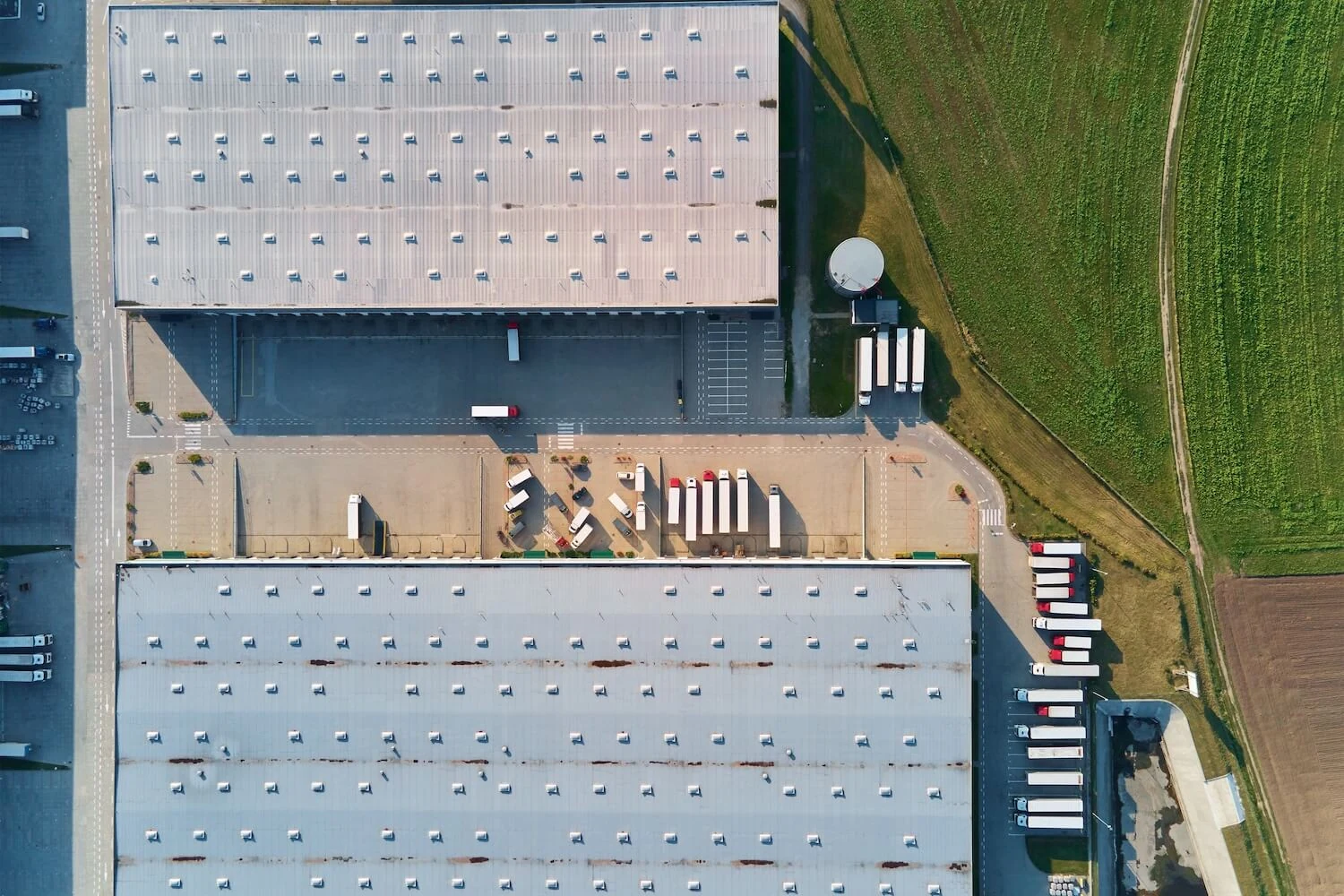
Property managers handling several buildings across the Syracuse area - a mix of hospital-adjacent medical offices, warehouse stock near the airport corridor, and retail strips out toward Cicero or Liverpool - often need documentation formatted consistently across every property so a portfolio-level review isn't comparing apples to oranges. We keep our reporting format consistent building to building, which makes it easier for a regional facilities team or ownership group to review storm damage across multiple sites without translating five different report styles.
That consistency also makes it easier to spot which properties in a portfolio are taking repeat storm hits versus which had a one-time event, information that's genuinely useful when planning next year's capital budget across a group of buildings rather than reacting to each roof in isolation.
How This Fits Into the Larger Claim Process
Documentation is one piece of a commercial roof insurance claim. For a fuller look at how we support a claim end to end - from initial inspection through meeting the adjuster on the roof and itemizing a complete repair scope - see our commercial roof insurance claim assistance page. For damage tied to a specific kind of event, we also cover snow and ice roof damage claims and wind and storm damage claims in more depth.
Documentation Support Questions
Do you handle the insurance claim for us?
No, we don't act as a public adjuster or negotiate with the carrier. We provide factual documentation the owner or their adjuster can use in building the claim.
How soon after a storm should we get documentation done?
As soon as it's safe to access the roof. A dated record close to the storm date makes it easier to tie damage to a specific event, even if a leak doesn't show up until later.
Will you tell us whether the damage was caused by the storm?
We describe what we physically observe - the type and location of damage - in factual terms. We don't make a formal causation determination, since that's outside a contractor's role.
Can documentation be done at the same time as emergency tarping?
Yes, we photograph the damage before and after temporary protection is installed, so the record shows both the original condition and the mitigation steps taken.
Do you keep records from past visits on file?
Yes, for buildings we've inspected or repaired before, which helps establish a baseline condition useful for comparing against new storm damage later.
Questions About Insurance Documentation Support in Syracuse, NY
Ready to Review the Roof?
Service Area
Syracuse, NY
Roofing Category
Assessment Focus
Condition
Drainage
System options
Occupied operations
Next Step