Snow and Ice Roof Damage Insurance Claims in Syracuse, NY
Snow and ice roof damage insurance claim documentation in Syracuse, NY - drift loading, ice dams, and freeze-thaw damage assessed for commercial roofs.
When Lake-Effect Snow and Ice Turn Into a Roof Claim
Syracuse gets more snow than any other large city in the country, and most of it arrives off Lake Ontario in bands that dump heavily in some parts of the metro while leaving others nearly untouched. That pattern makes snow and ice roof claims different from a typical storm claim - the damage is often uneven across a single roof, and it can take more than one lake-effect event before a weak point actually fails.
We're your roofing contractor, not a public adjuster - we document and substantiate the roof damage so you and your adjuster work from an accurate scope.
Drift Loading Against Parapets and Equipment Curbs
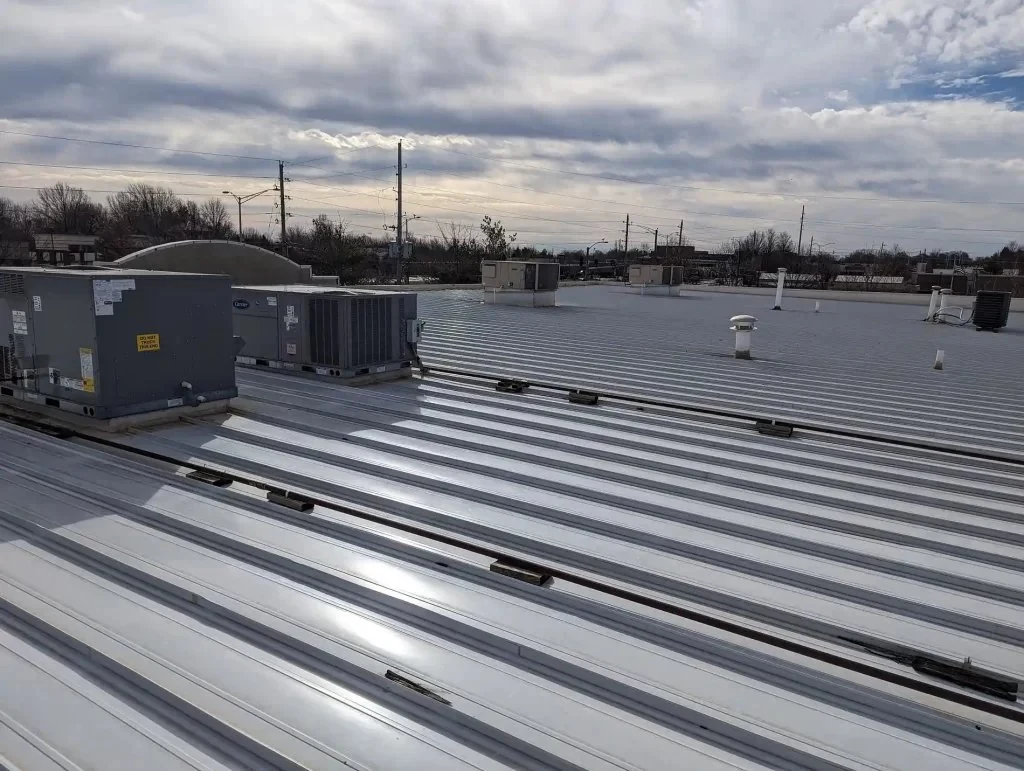
Lake-effect snow doesn't fall evenly. Wind pushes it into deep drifts against parapet walls, HVAC curbs, and any other rooftop obstruction, and those drift zones can carry a structural load many times heavier than the snow sitting on the open field of the roof. We measure and photograph drift accumulation patterns as part of every winter damage inspection, since a claim reviewer needs to see where the load actually concentrated, rather than a single general snow depth for the roof.
Ice Dams on Low-Slope Commercial Roofs
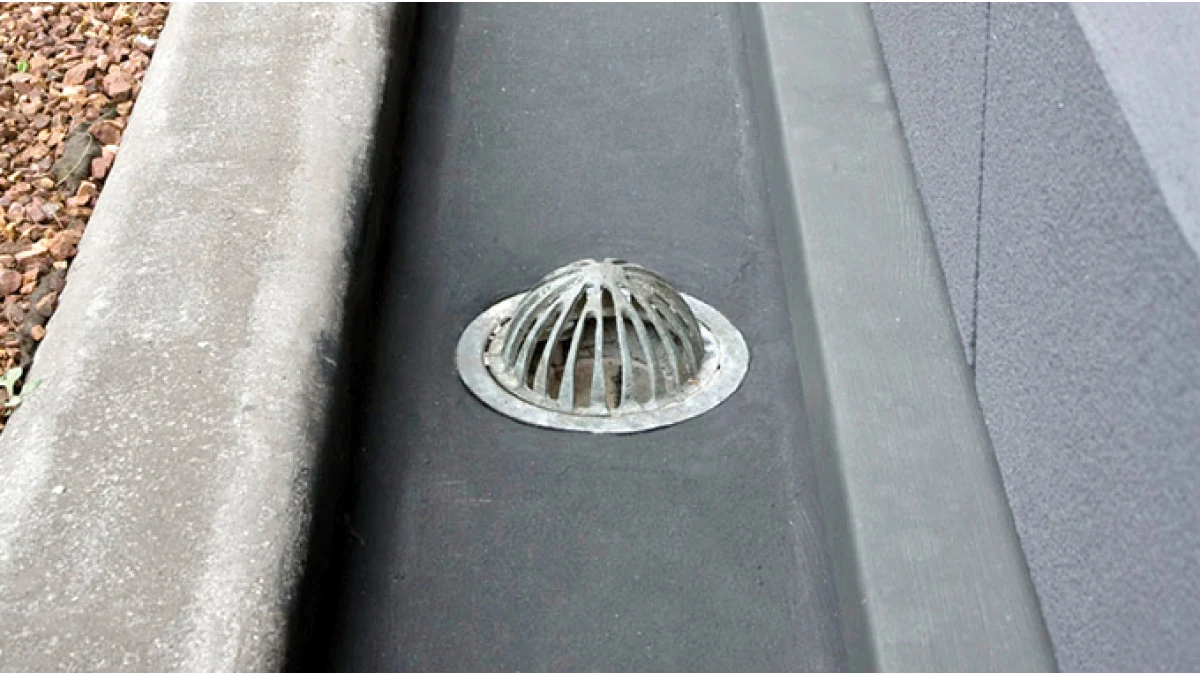
Ice dams aren't only a residential problem. On a low-slope commercial roof, meltwater from a warmer interior can refreeze at a parapet, scupper, or drain outlet, building an ice dam that backs water up under the membrane or coating. We check drain and scupper performance during every ice-related inspection, since a blocked or partially frozen drain is often the actual cause behind water intrusion that looks, at first glance, like a membrane failure.
Freeze-Thaw Cycling and the Dating Problem
Central New York's freeze-thaw cycle is long and repetitive most winters - above freezing during the day, below freezing overnight, for weeks at a stretch. That cycling stresses seams, flashing, and sealant gradually, which creates a real complication for a claim: carriers distinguish between sudden storm damage and gradual wear, and freeze-thaw damage can look like either depending on how it's documented. We describe what we observe in specific, dated terms - tied to a particular storm event where that's supportable, and described plainly as ongoing condition where it isn't - because an accurate record serves the claim better than an assertion we can't back up.
Documenting a Snow or Ice Event for the Claim File
After a significant lake-effect event, we recommend getting the roof inspected once it's safe to access, even before any interior leak shows up. Drift patterns and ice buildup that get photographed close to the event date are much easier to tie to that specific storm than damage discovered weeks later, once snow has melted and evidence of the original drift pattern is gone.
Building the Full Scope for Winter Damage
A complete scope for snow and ice damage usually covers more than the spot that's actively leaking. We check drainage capacity across the whole roof, insulation condition where water has gotten underneath the membrane, and any structural deflection in areas that carried heavy drift load. Leaving any of that out of the initial scope tends to mean a second claim, or an out-of-pocket repair, once the missed item eventually fails.
Winter Damage on Older Institutional and Downtown Roofs
Older roofs - institutional buildings on University Hill, brick storefronts around downtown and Franklin Square that have been through adaptive-reuse conversions - often carry decades of freeze-thaw history layered on top of whatever a given winter adds. We note existing wear separately from new, event-related damage in our reports, since conflating the two can weaken an otherwise legitimate claim.
Snow and Ice Roof Claim Questions
Does a single heavy snowfall usually cause visible roof damage?
Sometimes, but more often it's a combination of drift loading, ice damming, and freeze-thaw stress over a winter that adds up to a claim-worthy event. We look at the whole pattern across a winter, not only the most recent storm.
How do you tell drift damage apart from a pre-existing weak spot?
Photo documentation from prior inspections helps establish a baseline. Without that, we describe the current condition in detail and let the physical evidence - accumulation depth, structural signs, membrane condition - speak to what's consistent with drift loading.
Can ice dams cause damage without an obvious leak?
Yes. Water can travel under a membrane or coating for some distance before it finds an interior penetration to leak through, which is why we check the full drainage system rather than just the area directly below a reported leak.
Will you tell the insurance company the roof needs replacing?
We document the roof's actual condition and provide a scope based on what we find. Whether that scope points toward repair or replacement depends on the extent of damage, not on anything we decide in advance.
How soon after a snow event should we call?
As soon as it's safe to access the roof, ideally before a thaw removes the drift pattern that's part of the evidence.
- Drift accumulation measurement and photo documentation at parapets and curbs
- Drain, scupper, and gutter performance checks after ice events
- Freeze-thaw damage described in specific, dated, defensible terms
- Full drainage and insulation review, beyond the leaking spot alone
- Coordination with drain and scupper repair when winter backup is the root cause
- Emergency response through our tarp and dry-in service for active winter leaks
See our commercial roof insurance claim assistance page for the full claim-support process, or our wind and storm damage claims page for damage from a different kind of event.
Questions About Snow and Ice Roof Damage Insurance Claims in Syracuse, NY
Ready to Review the Roof?
Service Area
Syracuse, NY
Roofing Category
Assessment Focus
Condition
Drainage
System options
Occupied operations
Next Step