Metal R-Panel Roofing in Syracuse, NY
Exposed-fastener R-panel metal roofing and fastener maintenance for Syracuse warehouse and industrial buildings, including new construction near the Micron corridor.
R-Panel Metal Roofing for Warehouses and Industrial Buildings
Exposed-fastener R-panel is what we install on most of the pre-engineered metal buildings around the warehouse and distribution cluster in East Syracuse, and it's showing up more on new industrial construction supporting the Micron buildout in Clay. It's a different animal than standing seam - screws right through the panel face, faster install, lower cost - and it comes with a maintenance reality that building owners need to understand going in.
Why R-Panel Fits Industrial and Warehouse Buildings
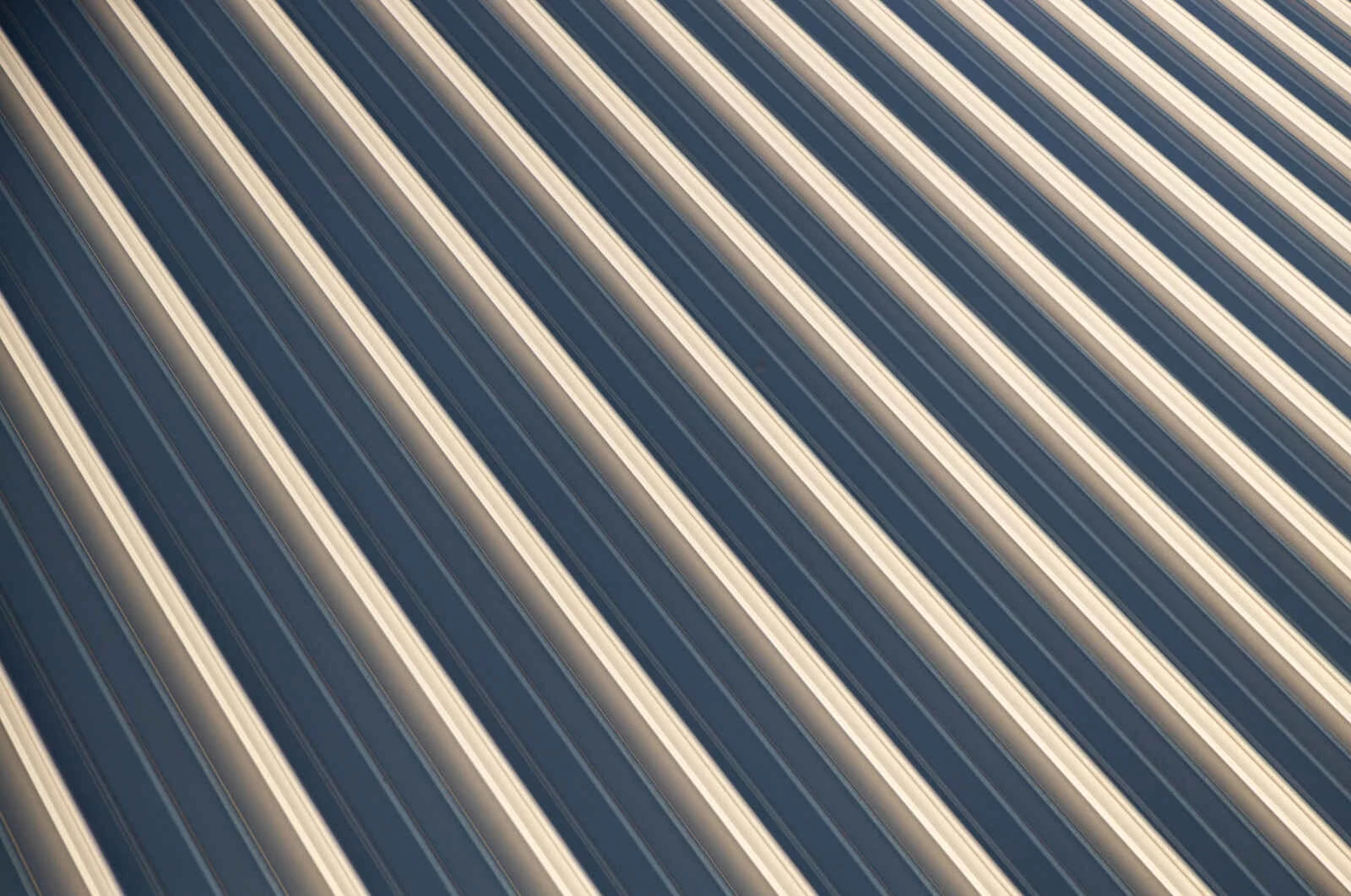
R-panel is the standard roof covering on most pre-engineered metal building systems because it's designed to go up fast over large, simple roof shapes, and warehouse and light industrial buildings are exactly that - big rectangular roofs without a lot of complicated geometry. The panel profile is trapezoidal, ribbed for strength, and screwed directly to purlins through the panel face at each rib.
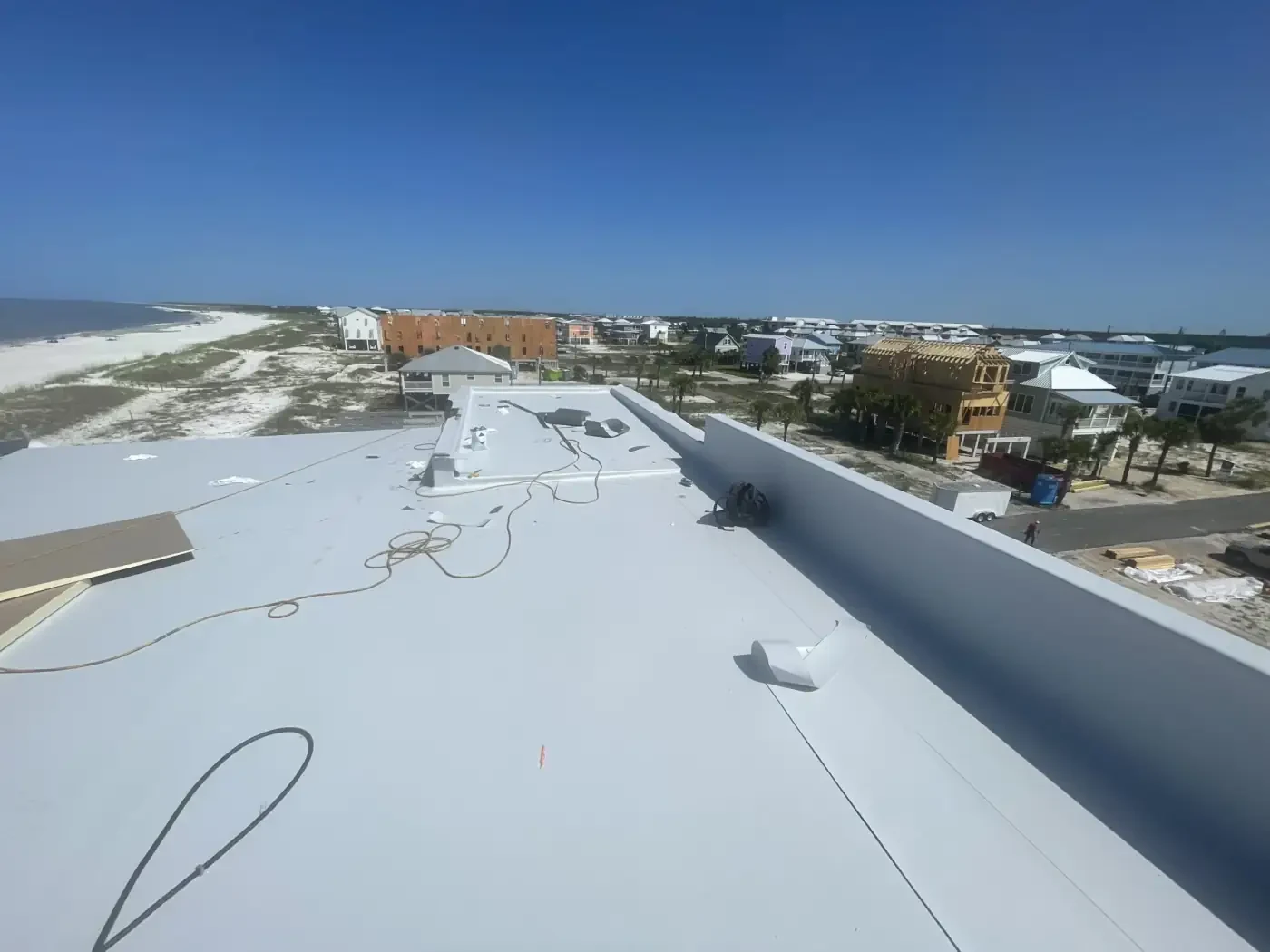
On distribution buildings near the Clay corridor and existing warehouse stock in East Syracuse, R-panel gets us a roof up quickly at a cost point that makes sense for large square footage, which matters when an owner is racing to get space ready for a tenant tied to the Micron buildout timeline.
Exposed Fastener Backout From Thermal Cycling
The tradeoff for R-panel's speed and cost is that every fastener penetrates the panel face directly, and those fasteners are the roof's primary long-term maintenance issue. Metal panels expand and contract with temperature swings - and Syracuse sees a wide swing between summer and winter - while the fastener stays fixed to the purlin. Over enough cycles, that repeated movement works the fastener hole slightly larger and can back the screw out or compress the neoprene washer under its head until it stops sealing.
We see this most on roofs that are eight to fifteen years old and haven't had any fastener maintenance. It's rarely one catastrophic failure - it's usually a slow accumulation of loosened or backed-out fasteners across the field that eventually adds up to multiple active leak points during a heavy rain or snowmelt event.
Fastener Re-Torque and Replacement Programs
We run fastener maintenance programs specifically for R-panel roofs - walking the field with a torque driver, checking every fastener, re-torquing ones that have backed out slightly, and replacing screws where the washer has degraded or the hole has enlarged beyond what re-torquing can fix. This is inexpensive compared to almost any other roof maintenance category, and it's the single highest-value maintenance item on an R-panel roof because fastener failure is the dominant leak mechanism on this system.
We recommend building this into a recurring maintenance schedule rather than waiting for leak calls, since by the time water is visibly coming through, the fastener has usually been compromised for a while and there may be more of them in similar condition across the roof.
Retrofit Options Over an Aging R-Panel Roof
When an R-panel roof has enough fastener and panel wear that ongoing maintenance stops making sense, we don't automatically recommend a full metal panel replacement. A retrofit - installing a new membrane or standing seam system over the existing R-panel using a sub-purlin or hat-channel framework - can extend the building's service life without stripping the old panels off, which keeps the building dry throughout construction and avoids full tear-off costs.
We evaluate whether the existing structure can support the added retrofit framework and membrane weight before recommending this approach, since it's not the right answer for every building.
What We Check on Every R-Panel Inspection
- Fastener backout and washer condition across the full roof field
- Panel end lap sealant condition at ridge and eave transitions
- Rust or corrosion starting at fastener penetrations
- Sidewall and endwall flashing sealant at building transitions
- Purlin condition where accessible, especially near known leak areas
- Ridge cap and closure strip integrity after wind events
We photograph problem fasteners and panel areas during every inspection so building owners have a clear record of what's deteriorating and where, rather than a vague verbal assessment.
Insurance and Documentation for Storm Events
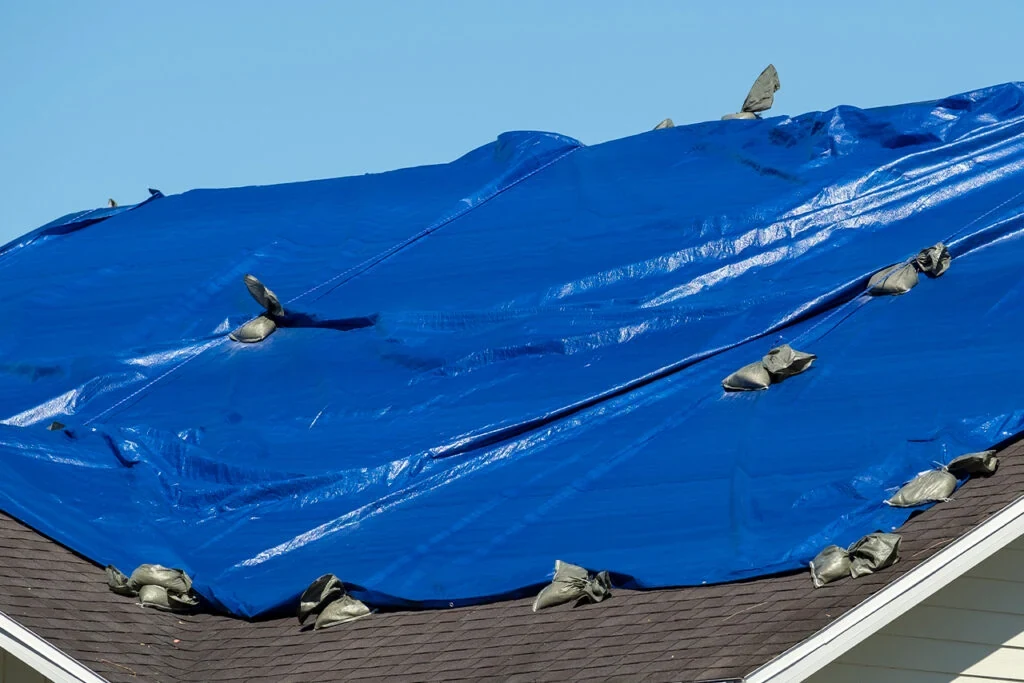
R-panel roofs take visible hail and wind damage differently than membrane systems - dents, creased panels, and torn ridge closures are common after a significant storm. We document panel-by-panel condition with photos after any major weather event so an owner has a clear record to work from, whether that's for insurance purposes or just planning a repair scope. We describe what we find and what it would take to address it; we don't speak to what an insurance claim will or won't cover.
R-Panel Roofing Questions
How often should fasteners be checked on an R-panel roof?
We recommend annual fastener inspections at minimum, more frequently on older roofs that haven't had prior maintenance or roofs coming up on ten-plus years of service.
Can a leaking R-panel roof be fixed without full replacement?
Often, yes. Fastener re-torque and replacement programs resolve the majority of R-panel leaks we're called out for, without needing to replace panels themselves.
Is R-panel a good choice for a new warehouse near the Micron corridor?
For large, simple roof shapes on a tight construction timeline, it's a practical and cost-effective choice, provided the owner commits to a fastener maintenance schedule going forward.
What's the difference between R-panel and standing seam for a warehouse?
R-panel costs less and installs faster but has exposed fasteners requiring ongoing maintenance. Standing seam costs more upfront but has no exposed fasteners in the field and generally needs less routine attention.
Can you retrofit a membrane roof over an old R-panel building?
Yes, when the structure supports it. We evaluate the existing framing and add a sub-framework to carry a new membrane or standing seam system over the old panels.
Questions About Metal R-Panel Roofing in Syracuse, NY
Ready to Review the Roof?
Service Area
Syracuse, NY
Roofing Category
Assessment Focus
Condition
Drainage
System options
Occupied operations
Next Step