Commercial Reroofing in Syracuse, NY
Full reroofing for Syracuse, NY commercial buildings: tear-off versus recover decisions, phasing around occupied space, and assemblies rated for real snow load.
When a Syracuse Commercial Roof Is Past Patching
A reroof is a bigger decision than a repair, and we don't treat it like one. Before we recommend tearing anything off, we check deck condition, count existing layers, and figure out how many more winters the current assembly realistically has left.
Reading a Roof That's Past Patching
Most flat commercial roofs in this area don't fail all at once. They fail in patches, then the patches multiply until a facilities manager is calling a roofer every few weeks for a new leak in a different spot. That pattern, more than any single leak, is usually the real signal that a repair budget should become a reroof budget instead.
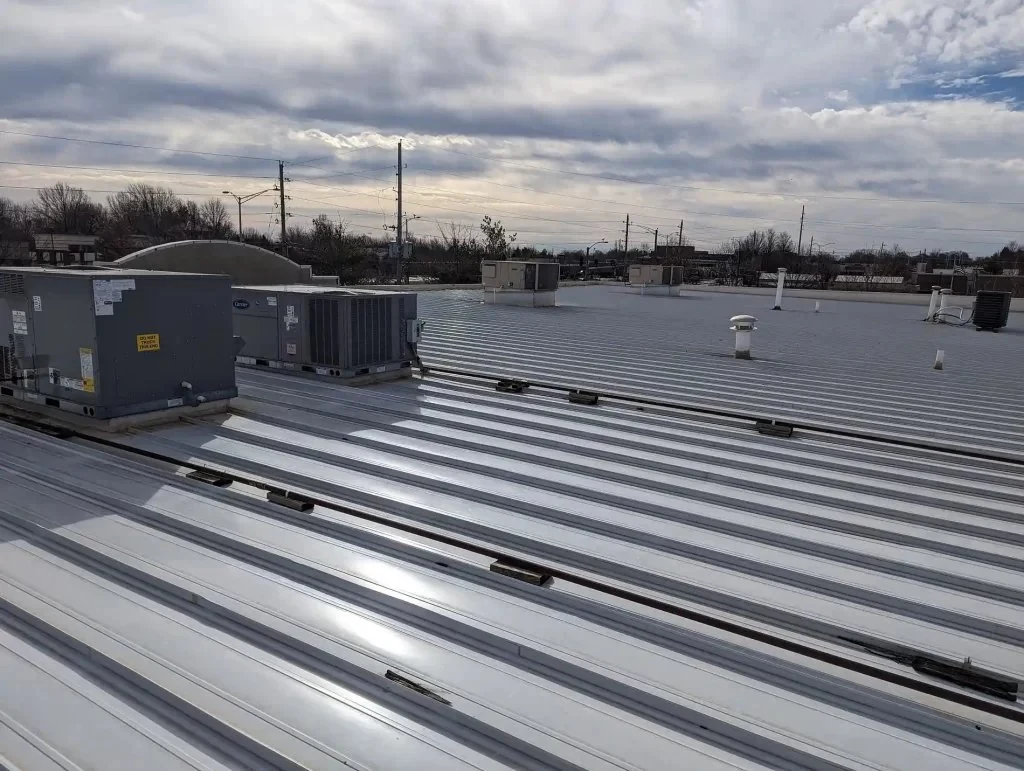
We also look at what's underneath the membrane. A roof that's held two or three tear-offs' worth of recover layers over the decades carries weight, traps moisture between plies, and gives us fewer good options for anchoring a new system correctly. At some point the smartest repair is a full tear-off, even if the surface still looks presentable from the parking lot.
Tear-Off Versus Recover: What Actually Decides It
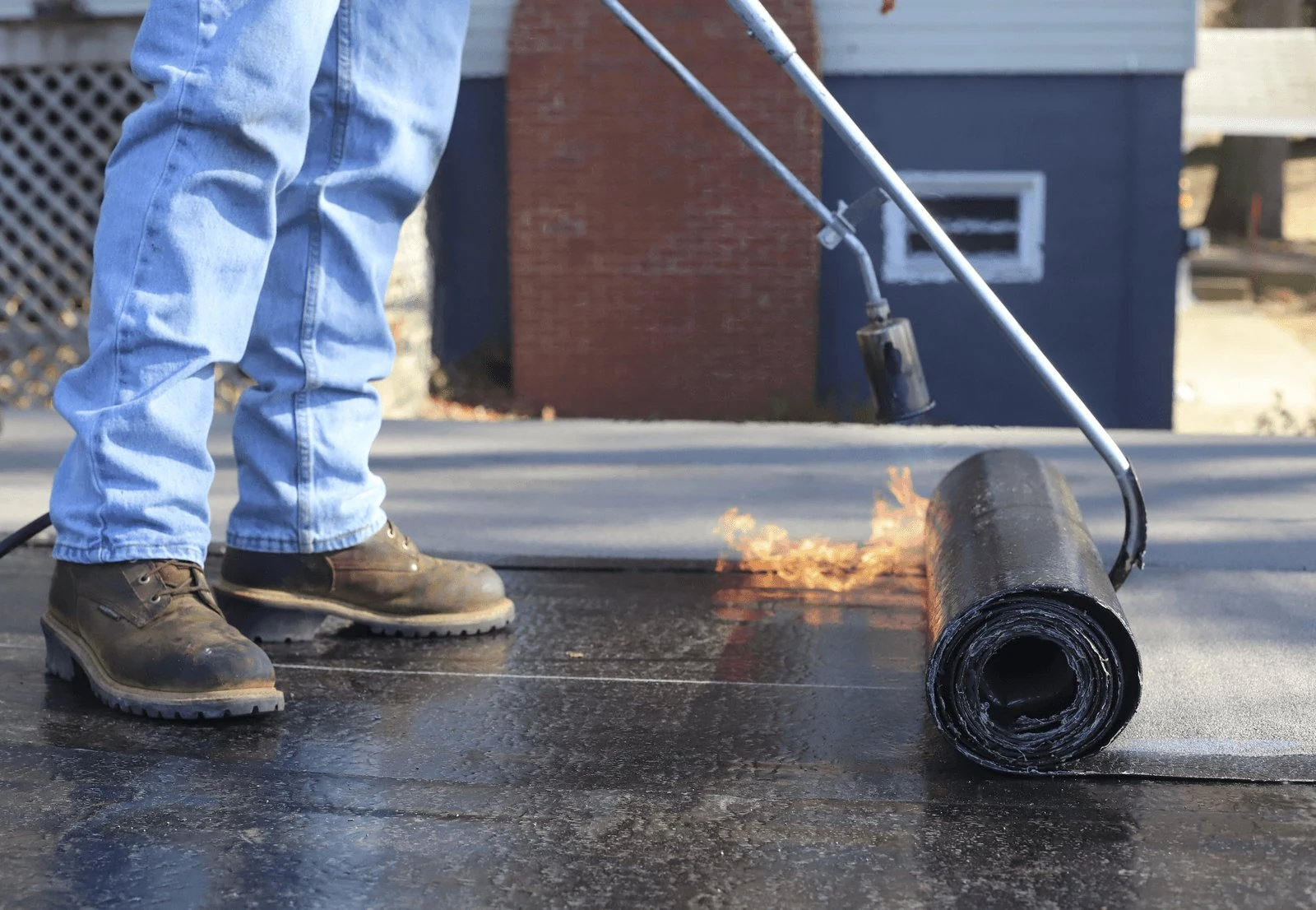
Recover works when the deck is dry, the existing membrane is reasonably flat and adhered, and code allows another layer on top of what's already there. It's faster, cheaper, and produces less debris going out the door. We use it when the roof earns it.
Tear-off becomes the answer once we find wet insulation, a deck that's soft or delaminating under a probe cut, or a building already carrying the maximum layers code permits in Onondaga County. Wet insulation in particular is a dead giveaway here - it almost never dries out on its own between one lake-effect season and the next, and building on top of it just buries the problem under a new warranty.
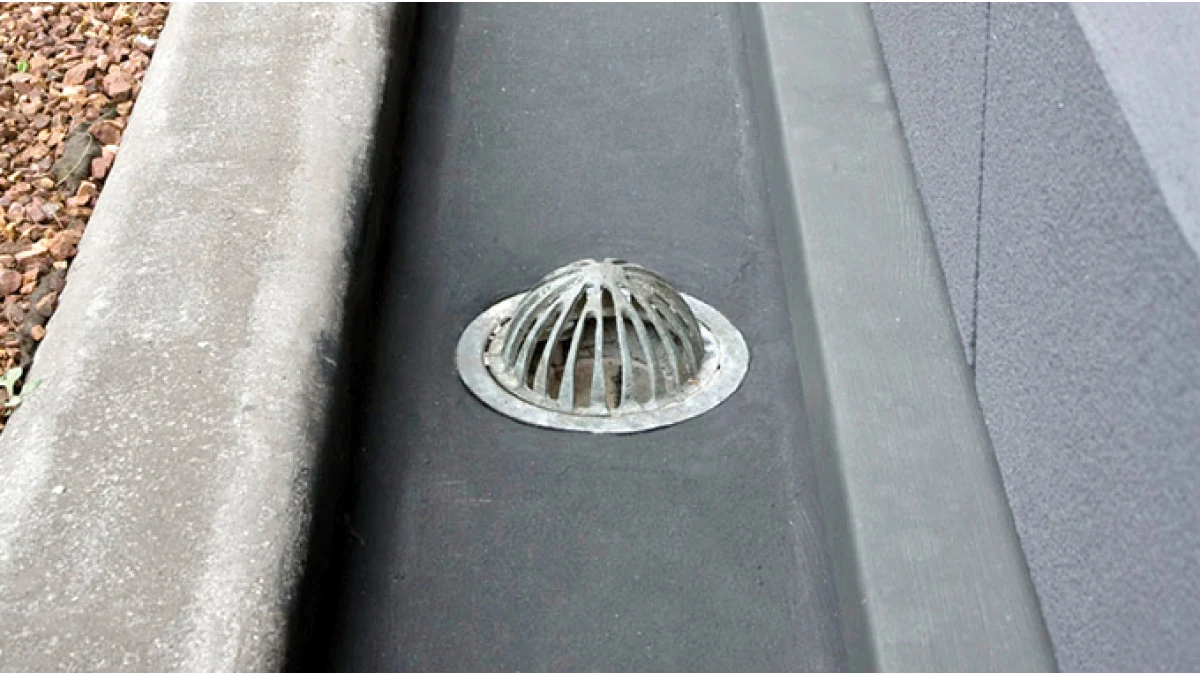
Drainage changes matter too. If a roof has been fighting ponding water for years because slope was never built in correctly, a recover just repeats the same low spots. A tear-off gives us the chance to correct slope with tapered insulation before the new membrane ever goes down.
- Repeat leaks in different locations across two or more seasons
- Wet or delaminated insulation found during probe cuts
- Roof already carrying the code-maximum number of layers
- Persistent ponding that recover work won't correct
- Membrane brittle or cracking at seams beyond spot-repair range
- Deck flex or soft spots detected during a roof walk
Phasing Work Around Occupied Buildings
A lot of the roofs we quote sit over buildings that can't just shut down for a few weeks. Upstate Medical and the Syracuse University hill campus buildings run around patient care and academic schedules that don't pause for construction. Office space around Carrier Circle in DeWitt has tenants who need dry ceilings and working HVAC through the whole job, not simply at the end of it.
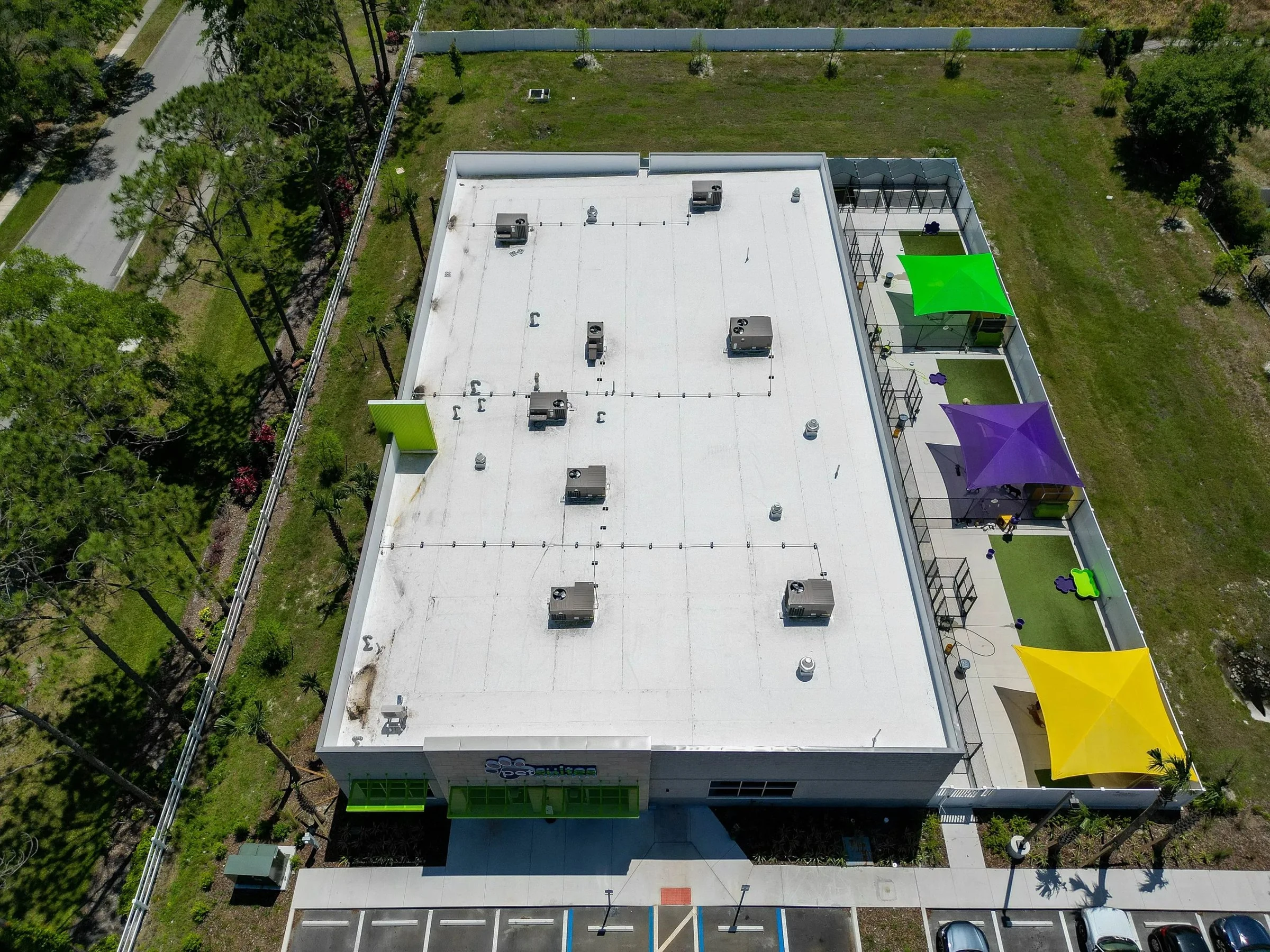
We break these roofs into sections and dry-in each one before moving to the next, so there's never an open field exposed overnight longer than we can control. On hospital and lab buildings that means extra coordination on odor, noise timing, and equipment curb access. On multi-tenant office roofs it usually means working around lease terms and giving property management a section-by-section schedule they can hand to tenants.
Scheduling Around Lake-Effect Windows
Syracuse doesn't give a roofer a long clean weather window the way some markets do. Lake-effect snow off Lake Ontario can start dumping well before Thanksgiving some years, and once that pattern sets in, tear-off work gets a lot harder to run safely and correctly. Membrane adhesives and seam welds also want a minimum temperature to cure right, which narrows the calendar further.
We plan reroofs to get tear-off, insulation, and membrane closed in before the heavy lake-effect stretch hits, and we build in a fallback plan for buildings that need work started later in the season - usually smaller daily sections with a hard dry-in requirement before crews leave the roof each night.
Reroofing Ahead of the Clay Build-Out
Micron's planned megafab in Clay is going to pull roofing crews, sheet metal shops, and general trades toward that corridor for years. Building owners along Route 31 and the broader Clay area who know they'll need a reroof in the next few years should start that conversation now, before contractor calendars fill up with the fab's supporting construction. Getting a roof assessed and scheduled early is cheaper than competing for a crew once that pipeline is in full swing.
Reroof Questions From Syracuse Owners and Facility Managers
How do you decide between recover and full tear-off?
We probe the existing roof for moisture, check the deck condition, and count layers against code limits. A dry, sound roof with room under the layer limit can usually take a recover. Wet insulation or a maxed-out layer count means tear-off.
Can reroofing actually happen in a Syracuse winter?
Smaller sections can, with tighter daily dry-in requirements and closer weather monitoring. Full tear-offs on larger roofs are better scheduled to close before the heaviest lake-effect stretch sets in.
How many roof layers does code allow before a tear-off is required?
Building codes generally cap recover layers, and most commercial roofs we inspect locally have already used up that allowance after decades of patch-and-recover history. We check the actual layer count on your roof before recommending either path.
Will the building stay dry during a multi-week reroof?
Yes - we section the work and require a complete dry-in on every area before crews leave for the day, regardless of the size of the overall project.
Does a reroof change our drainage or snow-load handling?
It can, and often for the better. A tear-off lets us correct slope with tapered insulation and reassess drain and scupper capacity for the roof's real snow-load history instead of just replacing what was there before.
Questions About Commercial Reroofing in Syracuse, NY
Ready to Review the Roof?
Service Area
Syracuse, NY
Roofing Category
Assessment Focus
Condition
Drainage
System options
Occupied operations
Next Step