Silicone Roof Coatings in Syracuse, NY
Silicone roof coatings for Syracuse commercial buildings: ponding-water resistance after rapid snowmelt, UV protection, and restore-versus-reroof budgeting.
Silicone Coatings for Ponding Water and Aging Roof Surfaces
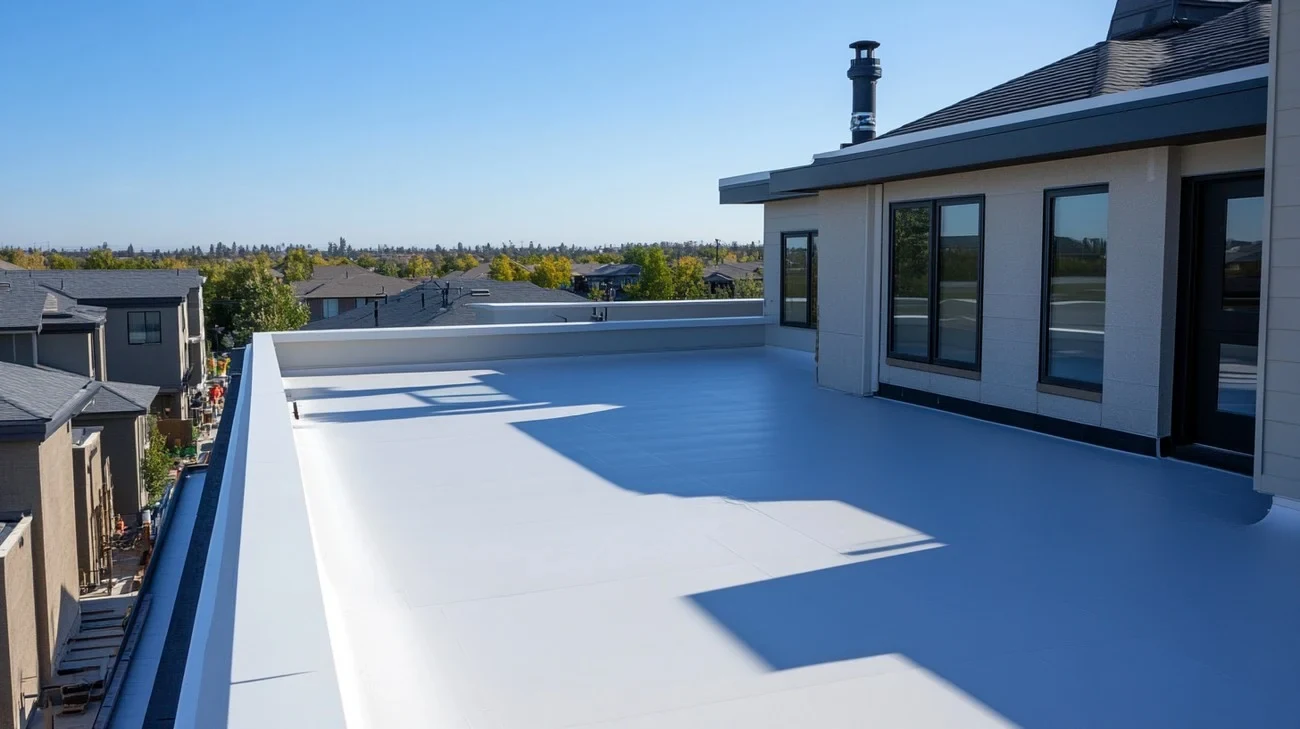
Silicone is the coating we spec when a roof's surface is aging but the substrate underneath is still sound. It's not a fix for a failed deck, and we're direct about that up front. What it does exceptionally well is handle standing water, which makes it a specific fit for a climate where flat roofs see repeated ponding after a rapid snowmelt.
Ponding Water Resistance Is the Core Advantage
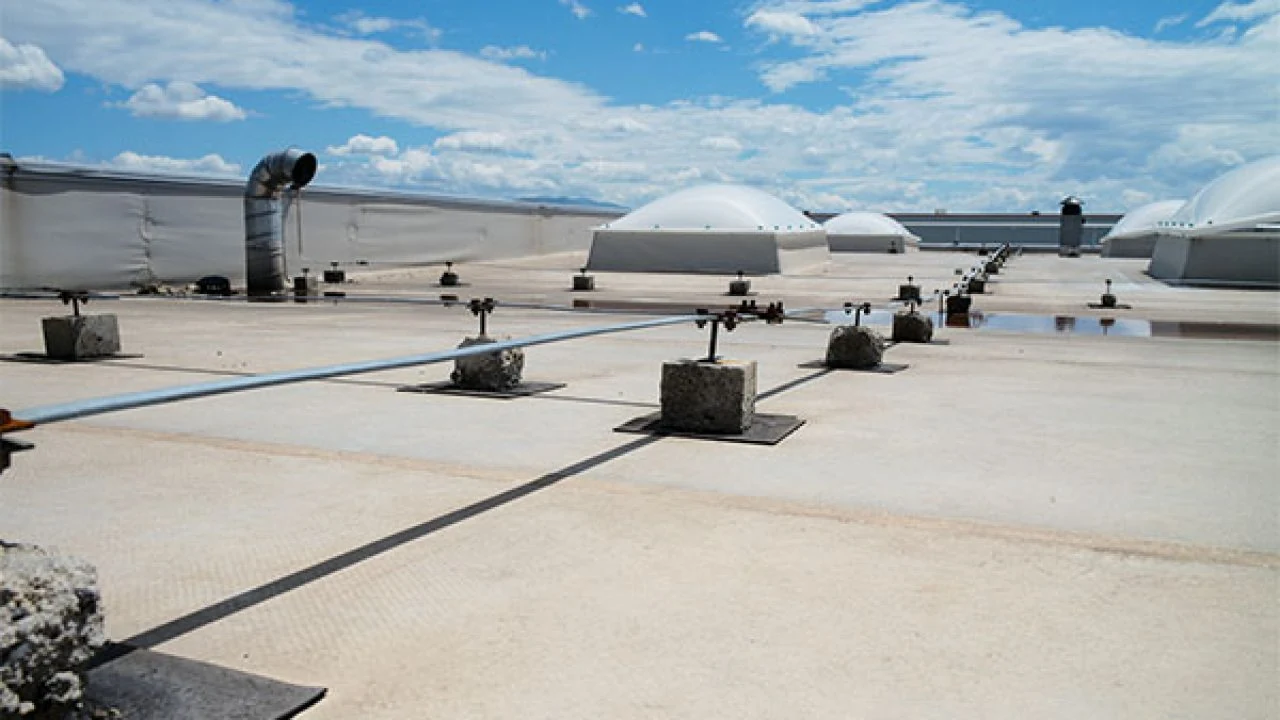
Most roof coatings degrade under prolonged standing water. Silicone doesn't, at least not at anywhere near the same rate, which is exactly the failure mode Syracuse roofs deal with every spring. A fast thaw after a heavy lake-effect snow dumps more water onto a flat roof than the drains can move in a short window, and that water sits on the field for hours or sometimes days until it clears. On a roof with any low spots or slightly undersized drainage, that's a recurring stress test most coatings aren't built for. Silicone tolerates it.
Restore Versus Reroof: Where the Math Works
A silicone recoat makes sense on a roof where the membrane or built-up surface is aged and UV-worn but the deck, insulation, and drainage are still functioning correctly. We probe the roof before recommending a coating job, because coating over a compromised substrate just buys a couple of dry seasons before the same problems resurface, usually at a worse cost than if we'd caught it earlier.
Where the substrate checks out, a silicone coating extends roof life at a fraction of full reroof cost, which is a real budget consideration for owners managing older buildings around Manlius, Camillus, and the smaller commercial buildings scattered through Skaneateles's lakeside retail district.
UV Protection on Aging Membrane and Built-Up Roofs
Older EPDM, aged built-up roofs, and worn modified bitumen cap sheets all lose surface protection over years of UV exposure. A silicone coating restores a fresh UV-resistant surface layer over that aged material, which slows further degradation without requiring a tear-off. We see this most on legacy retail and office buildings where the original roof install predates current single-ply standards, and a full reroof isn't in the current year's budget.
Application Timing in a Short Construction Season
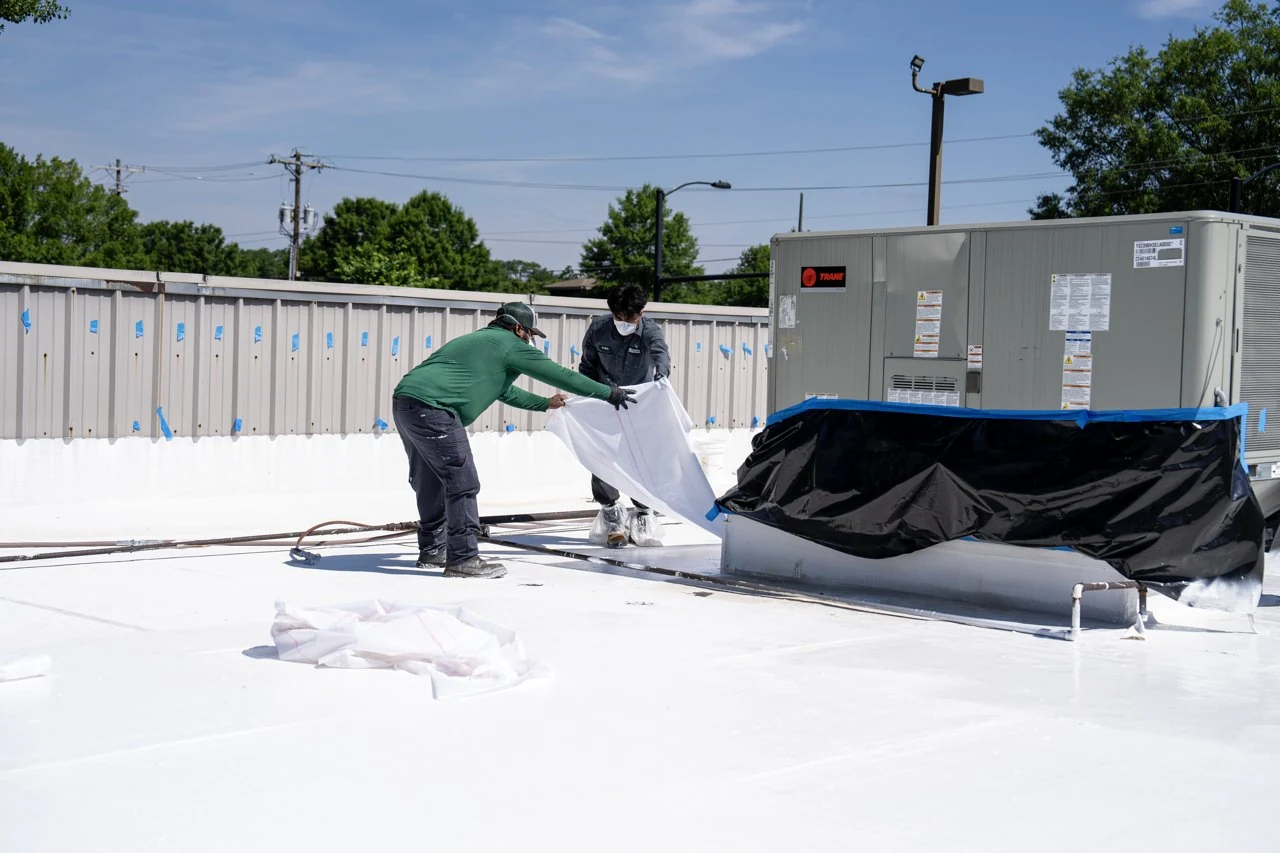
Coatings need a dry substrate and workable temperature and humidity conditions to cure properly, which narrows the realistic application window in this climate. We schedule silicone coating work for the warmer, drier stretch of the year rather than trying to force it into a shoulder season where moisture and temperature swings compromise the cure. Getting on a contractor's schedule early in the season matters here more than in milder climates, because the workable window is genuinely shorter.
- Aged EPDM, TPO, or built-up roofs with a sound underlying substrate
- Roofs with recurring ponding water after spring snowmelt
- Buildings where a full reroof isn't budgeted for the current year
- UV-degraded surfaces needing renewed weather protection
- Owners prioritizing lower upfront cost over full membrane replacement
What a Coating Job Doesn't Fix
Silicone coating doesn't correct a drainage problem, doesn't repair a compromised deck, and doesn't extend the life of wet insulation trapped under an old membrane. If our probe finds those issues, we say so before quoting a coating job, because a coating applied over a real structural or moisture problem is money spent delaying a bigger repair rather than solving it. We'd rather lose a coating quote than sell an owner a fix that won't hold.
On roofs where the underlying issue is confined to a specific area - a bad drain, a localized wet-insulation spot - we sometimes recommend a targeted repair alongside the coating rather than walking away from the whole job. That keeps cost down while still addressing the real problem instead of coating over it.
Silicone Coating Questions From Building Owners
Will silicone coating stop ponding water on my roof?
It won't fix a drainage design problem, but it resists degradation from standing water far better than most other coatings, which matters given how often ponding happens here after fast snowmelt.
How long does a silicone coating last?
Service life depends on substrate condition, drainage, and maintenance. We give a specific estimate after inspecting the roof rather than quoting a blanket figure.
Can you coat any roof, or does the substrate matter?
The substrate matters a lot. We probe the existing roof before recommending a coating job, because a compromised deck or wet insulation needs repair first, not a coating over it.
What time of year do you apply silicone coatings here?
We schedule this work for the warmer, drier part of the year, since curing depends on stable temperature and humidity that's harder to guarantee in shoulder seasons.
Is coating cheaper than a full reroof?
Generally yes, when the substrate qualifies. We walk owners through both options with real numbers rather than assuming coating is always the right call.
Questions About Silicone Roof Coatings in Syracuse, NY
Ready to Review the Roof?
Service Area
Syracuse, NY
Roofing Category
Assessment Focus
Condition
Drainage
System options
Occupied operations
Next Step