Multifamily Apartment Roofing in Syracuse, NY
Multifamily apartment roofing across Clay, Liverpool, and University Hill student housing, planned around occupied units and lake-effect ice damming.
Apartment Roofs Fail Into Someone's Living Room, Not an Empty Warehouse
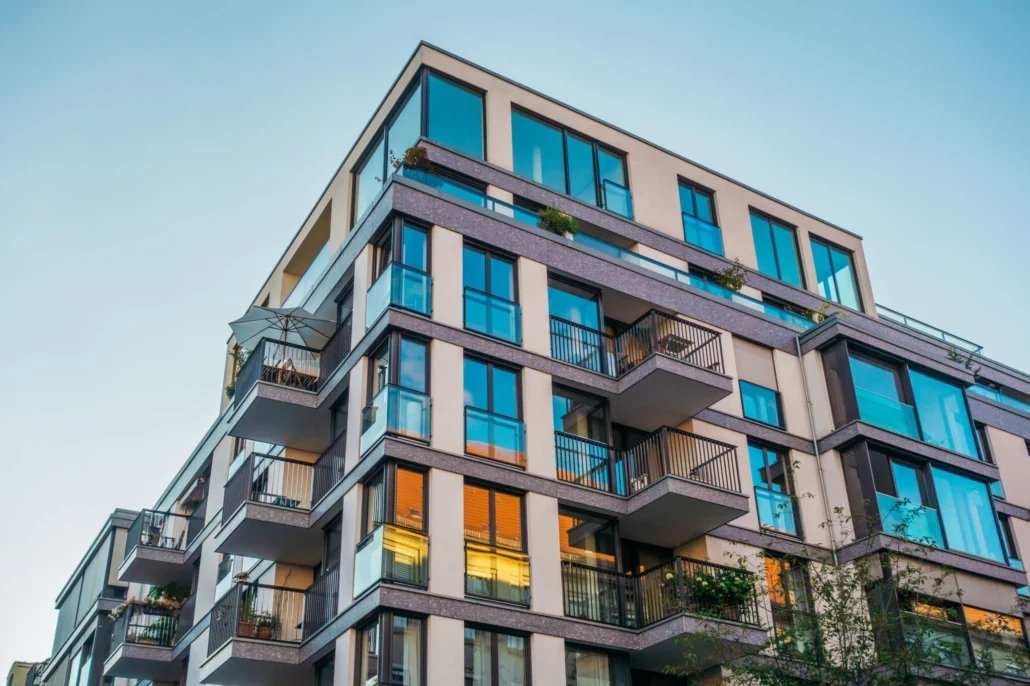
New apartment construction has picked up fast in Clay and Liverpool as the region positions itself for the workforce coming with the Micron buildout, and University Hill has carried student housing roof stock for decades. Every one of those buildings has occupied units under the roof deck, which means a leak here isn't a maintenance line item, it's water in somebody's ceiling.
Clay and Liverpool Are Building New Multifamily Stock Fast
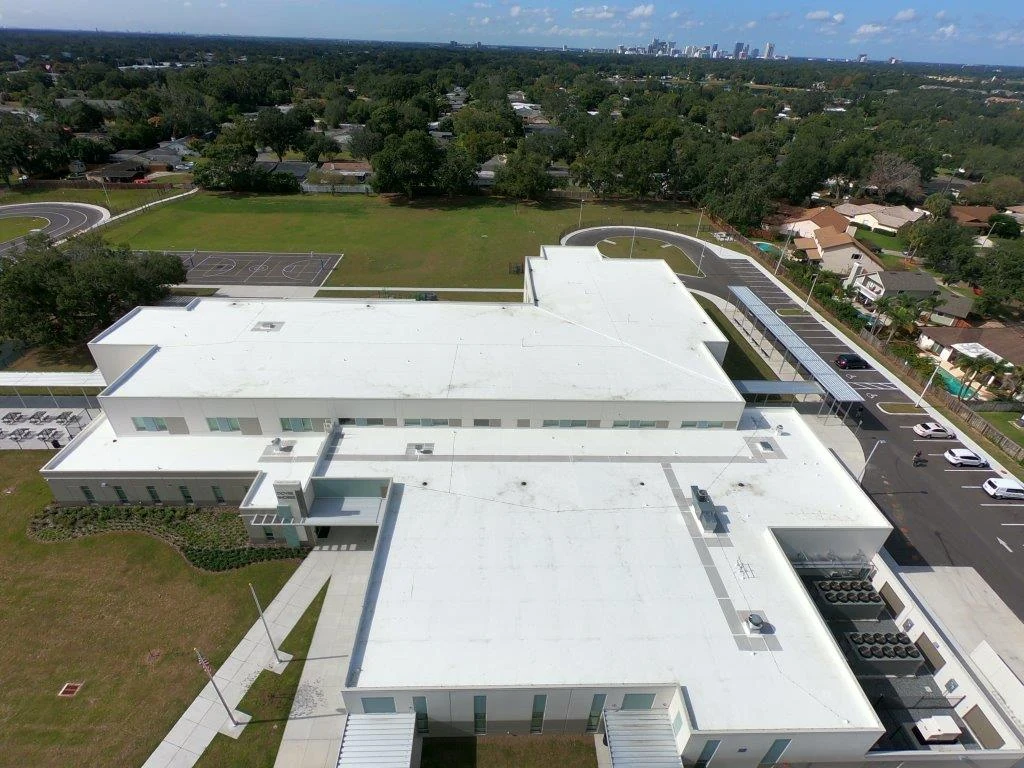
New apartment complexes going up in Clay and Liverpool right now are mostly a mix of low-slope roof sections over amenity buildings and clubhouses paired with steeper pitched roofs over the residential wings, which is a different roof profile than the flat single-ply fields we work on for warehouses and offices in the same area. Developers are moving fast to have units ready ahead of the workforce demand tied to the chip fab buildout, and that pace sometimes means roof details get value-engineered in ways that show up as callbacks two or three years later.
We get called into a fair number of newer complexes for exactly that reason: flashing details around dormers and roof-to-wall transitions that were rushed during original construction and start leaking well before a roof system's expected service life should allow. Catching that early with a proper inspection is cheaper than waiting for a resident complaint.
University Hill's Student Housing Carries Its Own Wear Pattern
Student housing near University Hill sees heavier turnover and heavier use than a standard apartment complex, and the roofs show it. Rooftop mechanical units get more foot traffic from maintenance calls, common-area roof sections over shared spaces take more abuse than individual unit roofs, and the academic-year occupancy cycle means summer is really the only window for major work, similar to how school districts operate.
We plan multifamily reroofs near campus around the same May-to-August window schools use, since a building that's mostly student-occupied empties out for summer and fills back up right before fall semester. Missing that window means waiting a full year for the next real opportunity.
Occupied Units Set the Whole Sequencing Plan
A tear-off over an occupied apartment building has to stay watertight every single night, all the way through the job, not only at the finish. We section the roof and close out each area before moving to the next rather than opening the whole field at once, and we keep dry-in material staged on site for any weather that moves in faster than forecast.
Interior drip protection matters more here than on almost any other building type we service, because water coming through a ceiling into a tenant's bedroom or closet turns a roofing job into a liability conversation fast. We coordinate with property management on tenant notices before work starts so residents aren't caught off guard by noise or by crews working directly above their units.
What We Check Before Quoting a Multifamily Roof
Every apartment roof estimate covers the same items regardless of building age:
- Flashing condition at dormers, roof-to-wall transitions, and any architectural roof breaks
- Ice dam history at eaves and valleys, especially on pitched sections over residential wings
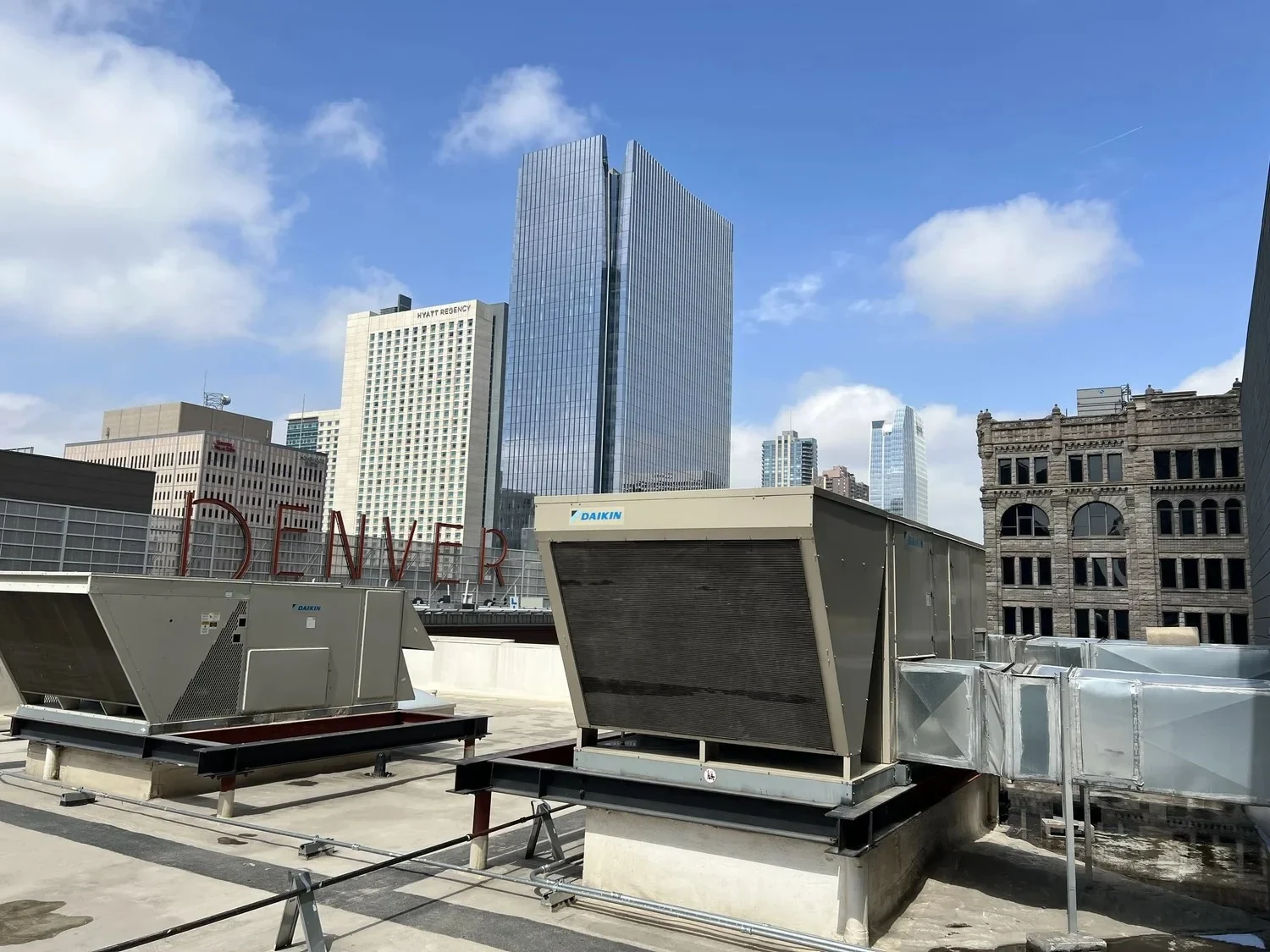
- Rooftop mechanical unit count and whether each serves an individual unit or shared systems
- Gutter and downspout capacity against the building's actual roof area
- Common-area roof sections over clubhouses, breezeways, and amenity buildings
- Access routes that avoid resident parking and building entrances during work hours
On pitched residential sections, we look closely at underlayment and ice-and-water shield coverage at eaves, since that detail matters more in this snowbelt than almost anywhere else we've worked.
Lake-Effect Ice Damming Is the Number-One Multifamily Callback
Ice damming at eaves and valleys is the leak we get called about most often on multifamily buildings in this market, and it's almost always a ventilation and insulation problem before it's a shingle or membrane problem. Heat escaping into an attic space melts snow from underneath, that meltwater refreezes at the colder eave, and the dam that forms backs water up under the roof covering and into the ceiling below.
We check attic ventilation and insulation depth on every pitched-roof inspection for exactly that reason, because replacing shingles without fixing the underlying heat-loss problem just buys a property manager one more season before the same call comes in again. Ridge and soffit vent counts get checked against the actual attic square footage rather than assumed adequate, since undersized ventilation on an older building is one of the more common gaps we find once we're actually up there measuring instead of guessing from a spec sheet.
Questions Property Managers Ask Before We Start
Can you work on a building with residents still living in it?
Yes, that's the standard case. We section the roof, close out each area daily, and coordinate tenant notices with your office ahead of time.
What causes most of the leak calls you get on apartment buildings here?
Ice damming at eaves and valleys, tied to attic ventilation and insulation more often than the roof covering itself.
How do you handle a leak that's already reached a resident's unit?
We treat it as an emergency call, get a tarp and dry-in in place fast, and document the source for your insurance and the resident's records.
Do you work on both the flat clubhouse roof and the pitched residential roofs?
Yes, we handle both roof types on the same property and often quote them together since they're usually inspected at the same visit.
When's the best time of year for a multifamily reroof near campus?
Late spring through summer, once the academic year empties out and before students return for fall move-in.
Questions About Multifamily Apartment Roofing in Syracuse, NY
Ready to Review the Roof?
Service Area
Syracuse, NY
Roofing Category
Assessment Focus
Condition
Drainage
System options
Occupied operations
Next Step