Medical Office Building Roofing in Syracuse, NY
Medical office building roofing across DeWitt and Liverpool, priced around occupied exam suites, generator pads, and imaging equipment on the roof deck.
Medical Office Roofs That Stay Watertight Over Occupied Exam Rooms
Medical office construction in this market has followed the hospital systems out to the suburbs, and DeWitt and Liverpool now carry a growing stock of single- and multi-tenant clinic buildings. Most of them stay open for patient visits the whole time we're on the roof, and that changes how we plan the job before we ever write a quote.
DeWitt's Carrier Circle Cluster Grew Up Around the Hospital Systems
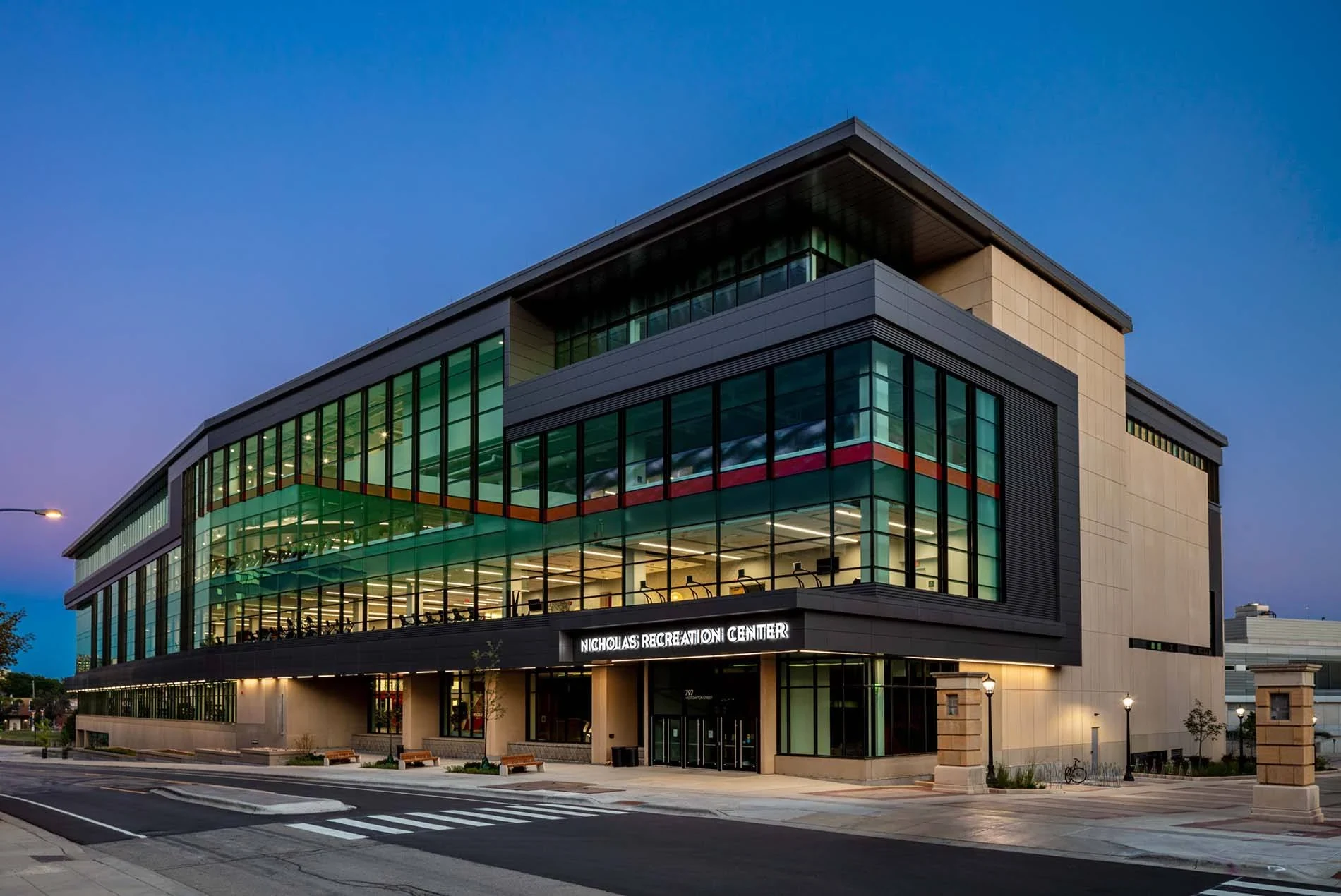
DeWitt sits at Carrier Circle, and the office and hotel stock there has filled in over the past couple decades with imaging centers, urgent care, and outpatient surgery suites. None of these buildings are owned by Upstate, Crouse, or St. Joseph's directly, but most are leased and fitted out to serve their referral networks, which means the roof has to protect equipment those systems depend on even though the hospital never touches the property.
A lot of that stock started as EPDM or built-up roofing from the original 1980s and 90s office construction and has been recovered once already. As leases turn over and new medical tenants move in, we're seeing more of it converted to TPO, usually because a new practice's insurer or corporate lease terms specify a current membrane rather than whatever was on the building when it was an insurance office. We also watch for rooftop generator pads tied to critical power for imaging or surgical suites, since those foundations and their electrical runs change the flashing plan around them.
Liverpool's Office Parks Carry a Mixed Roof Age We Plan Around
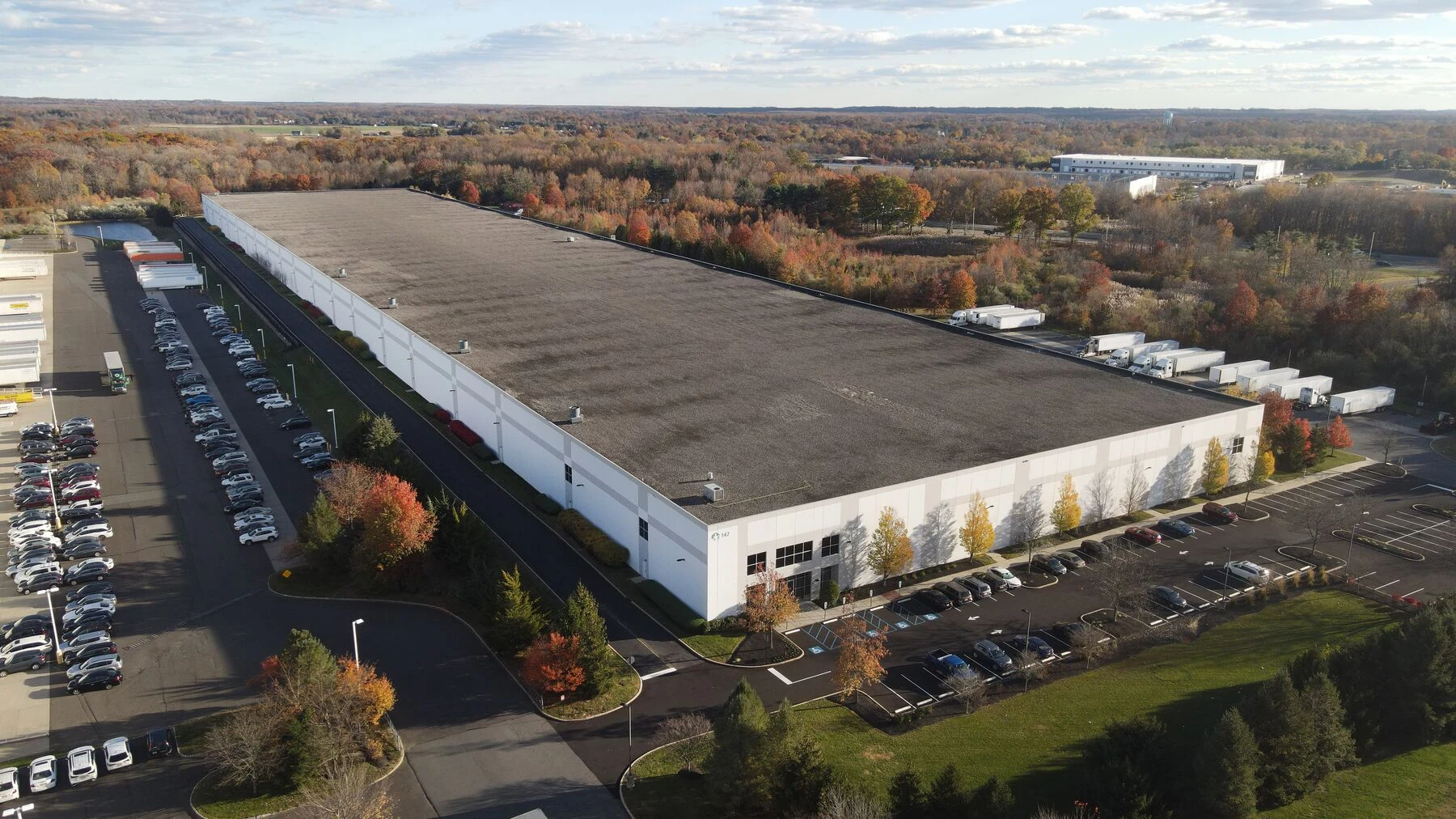
Liverpool's office parks near Onondaga Lake mix newer single-ply buildings with older built-up roofs from when those parks were first developed. On a lot of these properties, three or four medical practices lease space under one roof that a property management firm, not any of the tenants, is actually responsible for maintaining.
That ownership structure matters more than people expect. We coordinate with the property manager on scope and access, then loop in each affected practice separately on scheduling, because a physical therapy office and a pediatric practice have very different tolerances for noise and dust during business hours. Party-wall and shared-roof responsibility lines get checked early, before any tear-off starts, so nobody's surprised by who's covering what.
We Sequence Around Patient Hours, Not Our Own Schedule
Most clinic buildings don't get to shut down for a reroof. We start louder work after the last afternoon appointment slot where possible, and we keep dust containment tight near any suite running imaging equipment, since MRI and ultrasound rooms are sensitive to vibration and particulate in ways a standard office tenant never notices.
Practice managers usually know which days are lighter than others, and we ask before we build the schedule. A surgical suite with no procedures booked on a Wednesday is a better day for us to be directly overhead than a day with a full patient list. That kind of coordination costs us nothing and saves the practice a lot of aggravation.
What We Check Before Quoting a Medical Office Roof
Every medical office estimate runs through the same list before a number goes on paper:
- Rooftop condenser and generator pad locations tied to critical power for imaging or surgical suites
- Existing membrane age and whether tenant lease terms require a specific roof system
- Roof access routes that avoid patient entrances and any urgent-care drop-off bay
- Vibration-sensitive equipment directly below the roof deck
- Drainage and ponding history, since medical tenants report leaks faster than most
- Party-wall and shared-roof responsibility lines on multi-tenant buildings
Deck condition and access still drive the price more than membrane choice does, the same as on any commercial building. See our roof recover and overlay page for how that decision usually plays out on an occupied clinic roof.
Rooftop Equipment on a Clinic Roof Carries More Weight Than It Looks
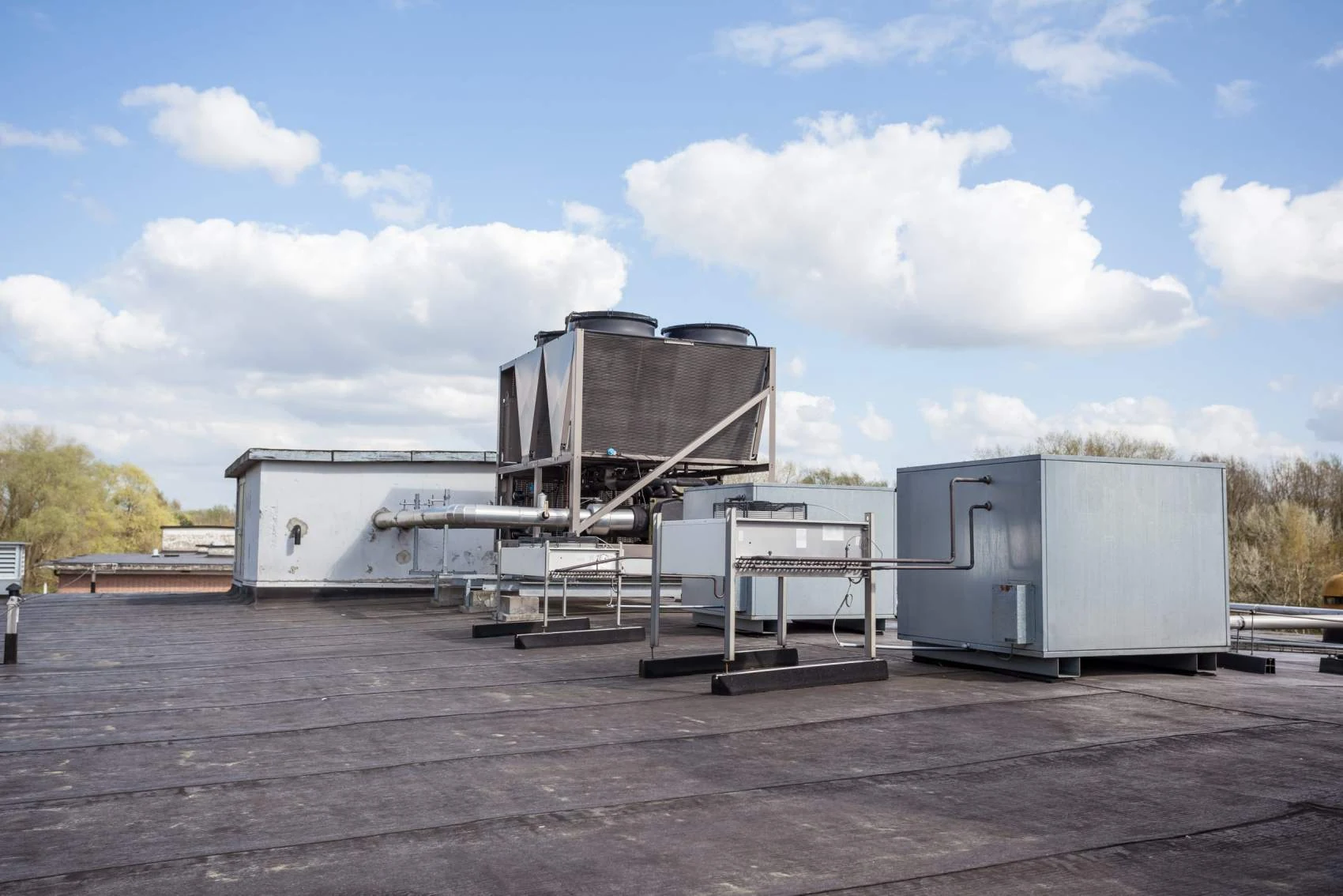
Imaging equipment cooling, sterile processing exhaust, and backup generators put more structural and electrical load on a medical office roof than a typical office tenant ever generates. We map every one of those systems during inspection rather than assuming the roof plan on file still matches what's actually up there, because additions get made over the years without anyone updating the drawings.
Lake-effect snow and ice add another layer around rooftop units on these buildings. Curb height matters more here than on a warehouse, since a low curb buries and ices over a condenser serving an occupied exam suite, and a frozen unit failing on a Friday afternoon in January is not a call anyone wants to make. Freeze-thaw cycling also works on sealant at every penetration around that equipment, which is why we push preventive maintenance walk-throughs on clinic roofs more than on almost any other building type we service.
Questions Practice Managers Ask Before We Start
Can you work while the office stays open for patients?
Yes, in most cases. We sequence noisy or dusty work around your appointment schedule and confirm timing with your office before crews show up.
How do you handle noise near exam rooms?
We ask which suites are in use that day and stage equipment away from active rooms, saving demolition-heavy work for lighter appointment days when we can.
Who's responsible for the roof on a multi-tenant medical building?
Usually the property management company, not the individual practices. We confirm that early and coordinate scope with whoever holds that responsibility.
What roof system do you recommend for a clinic building?
TPO is our default for most medical office reroofs here, though we'll work with an existing EPDM or modified bitumen system if the building's still sound and a full tear-off isn't warranted.
How fast can you respond to a leak over an exam room?
We treat active leaks over occupied clinical space as priority calls and can usually get a crew out for emergency tarp and dry-in the same day.
Questions About Medical Office Building Roofing in Syracuse, NY
Ready to Review the Roof?
Service Area
Syracuse, NY
Roofing Category
Assessment Focus
Condition
Drainage
System options
Occupied operations
Next Step